
There is no-longer 'plenty of fish in the sea'.
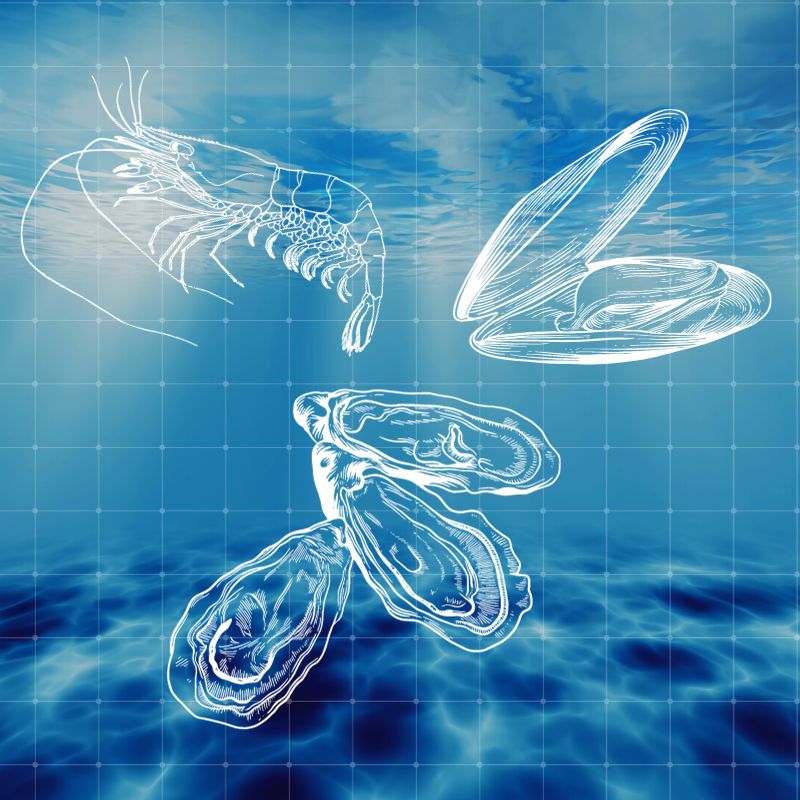
Growing pressure on marine ecosystems has caused the ocean species to decline dramatically. Frutos Do Mar cultivate prawns, oysters and mussels through mariculture, supplying the global fish production with a high quality alternative to wild caught and unsustainable fishing practices.
2%
Of the mangrove forests were lost between 2000 and 2016
94%
Of fish stocks are fully (60%) or overexploited (34%)
50%
Of live coral cover reefs have disappeared since 1870
100%
Overcapacity as 4 million fishing vessels now ply the oceans
Coral reefs and marine biodiversity are under threat in Barra - therefore, ensuring the sustainable use of marine resources must be a top priority.
Developing Communities &
Reducing the Pressure on Marine Resources through Aquaculture
Our Aim is to Contribute to Marine Protection and Sustainable Livelihoods in Coastal Communities through Aquaculture
Marine Protected Areas (MPA) that result in conservation of biodiversity
More than a third of the global population lives in coastal areas and hundreds of millions of people rely on ocean-based industries like fishing and tourism. Particularly in developing countries, where more than 95% of the world’s fishers live, fish are a vital source of both protein and income, while marine ecosystems like mangrove forests and coral reefs protect coastlines against extreme weather, rising seas, and floods. But all this is at risk.
A perfect storm of mounting human pressures, climate change, and poor management is threatening our ocean and coastlines. Seawater is becoming warmer and more acidic, fish stocks are being overexploited, mangroves are being decimated, and the ocean is the final destination for never-ending flows of plastics and untreated pollutants.
We support and seek to establish, enlarge or enhance marine protected areas (MPAs) and to improve livelihood conditions and food security for the communities that live near marine areas.
To achieve this we focus on supporting activities that support MPA governance, sustainable livelihoods, species conservation, sustainable fishing, and habitat conservation and restoration in the most sensitive waters of Africa.